Free Drywall Finishing Cost Calculator for Detached Garages
As an Amazon Associate, I earn from qualifying purchases.
This Drywall Finishing Cost Calculator helps you determine the cost of finishing drywall in a detached garage. It is a perfect add-on to my earlier Drywall Installation Cost Calculator.
Unlike drywall installation, which covers hanging sheets on studs, drywall finishing is the process of sealing seams with tape and joint compound, sanding smooth, and applying a primed surface that’s ready for paint.
My Drywall Finishing Cost Calculator estimates both materials and labor. Enter some Basic Garage Information, select from 3 Pricing Modes (National, Regional, or Manual Entry), and click the Calculate Button.
The Results show the quantity and cost of drywall sheets, tape, compound, screws, primer, and paint, plus man-hours for finishing, priming, and painting. Use it to plan smart, avoid surprises, and keep your detached garage project on track.
Drywall Finishing Cost Calculator
Drywall Finishing: A Quick DIY-Friendly Guide
Drywall finishing is what makes a detached garage look complete and livable! The process takes patience, the right tools, and several steps. Here’s a breakdown of each stage.
Taping and Mudding
After drywall sheets are installed, the seams and screw holes need to be sealed. This process is prepping the drywall for primer & paint, and is the most labor-intensive part.
- Step 1: Apply drywall tape along seams and corners.
- Step 2: Spread a layer of joint compound (mud) over the tape.
- Step 3: Let it dry completely before the next coat.
Most garages need three coats of mud. Each layer must dry for 12–24 hours before sanding or recoating. Rushing this step causes cracks and ridges later.
Sanding
Once the final coat of mud dries, sanding smooths the surface.
- Use a pole sander or hand sander with fine-grit drywall sandpaper.
- Wear a mask and goggles. Drywall dust is fine and spreads quickly.
- Seal off the garage with plastic if possible to keep dust out of your home.
A sanding sponge works best for tight corners and edges. Aim for a smooth, feathered finish with no visible seams.
Priming
Primer is technically optional, but it’s almost always worth it. As far as I am concerned, priming before painting the drywall is a non-negotiable.
- Primer seals the porous surface of the joint compound.
- It evens out the wall so the paint absorbs consistently.
- Without primer, paint may look blotchy and uneven.
Use a drywall-specific primer for best results. A single coat is usually enough in garages.
Recommended Primer

Rust-Oleum ZINSSER Bulls Eye 1-2-3 Water-Based Stain Blocking Primer/Sealer
- Interior/exterior primer for use on new or previously painted drywall
- Water-based formula that seals uniformly
- Quick Drying
- Has excellent stain blocking resistance
- One coat hide saves time and money
Painting
Painting the new drywall is the final step that brings the garage to life.
- DIY option: Rollers and brushes are affordable and give good coverage.
- Hiring out: Saves time, especially in larger garages, but costs more.
Choose a paint with a durable, washable finish. Many homeowners pick satin or semi-gloss for garages since they resist stains and clean up easily. Paint with Mold and Mildew Resistance is also a good idea, as many detached garages are often damp.
Recommended Paint
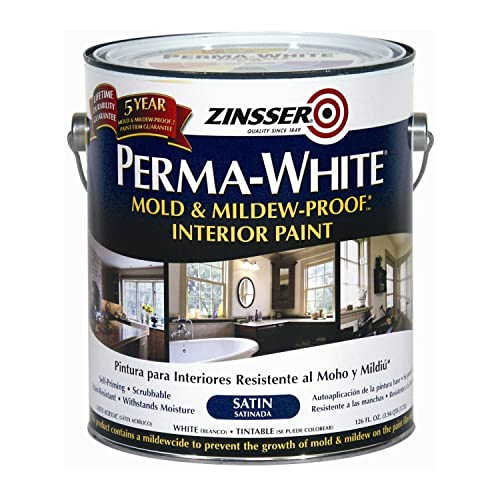
Zinsser Perma-White Mold and Mildew-Proof Interior Paint (Satin)
- Mold & Mildew-Proof™* paint film- guaranteed for 5 years
- Washable, scrubbable, stain & moisture resistant finish
- Fade Resistant
- Water-base, low odor
- Tintable to off-white, pastel and medium colors
Drywall Finishing Steps at a Glance
Detached Garage Drywall Finishing Cost Factors
It is good to know the variables that affect the ultimate cost to finish drywall in a detached garage. Here are the main ones to consider.
Regional Price Differences
Drywall finishing costs vary across the U.S.
- Materials like joint compound, tape, and primer are priced differently depending on local supply chains.
- Labor rates are higher in metro areas and coastal regions than in rural towns.
That’s why the calculator includes a region selector, so your estimate reflects real-world pricing.
Garage Size and Ceiling Height
The bigger the garage, the more drywall, tape, and compound you’ll need.
- A standard 2-car garage costs less than a tall workshop-style garage.
- Higher ceilings increase both materials and labor hours.
DIY vs. Hiring a Contractor
Doing the work yourself saves labor costs but requires time and tools.
- DIY approach: Lower cost, but you’ll need patience and multiple weekends to complete the job.
- Hiring out: Faster and usually smoother results, but labor often makes up half the total finishing cost.
Material Quality and Finish Level
Not all drywall materials are equal.
- Standard joint compound is cheaper, while lightweight or dust-control versions cost more.
- Higher “finish levels” (perfectly smooth walls ready for high-gloss paint) require extra coats, sanding, and labor.
- In detached garages, homeowners may choose a basic finish to balance durability with cost.
Drywall finishing costs in a detached garage depend most on where you live, how big the space is, whether you DIY or hire out, and the quality of materials and finish level you choose.
No wonder you will find my “Detached Garage Drywall Finishing Calculator” super helpful!