Free Garage Heater Size Calculator with Custom Recommendations
As an Amazon Associate, I earn from qualifying purchases.
A Superior Garage Heater Size Calculator
This Garage Heater Size Calculator not only helps you determine the exact BTU requirement but also provides model recommendations.
Garages are tricky to heat. They’re often not well insulated like the rest of the house. Moreover, garage type, size, insulation level, and the climate zone all play a role.
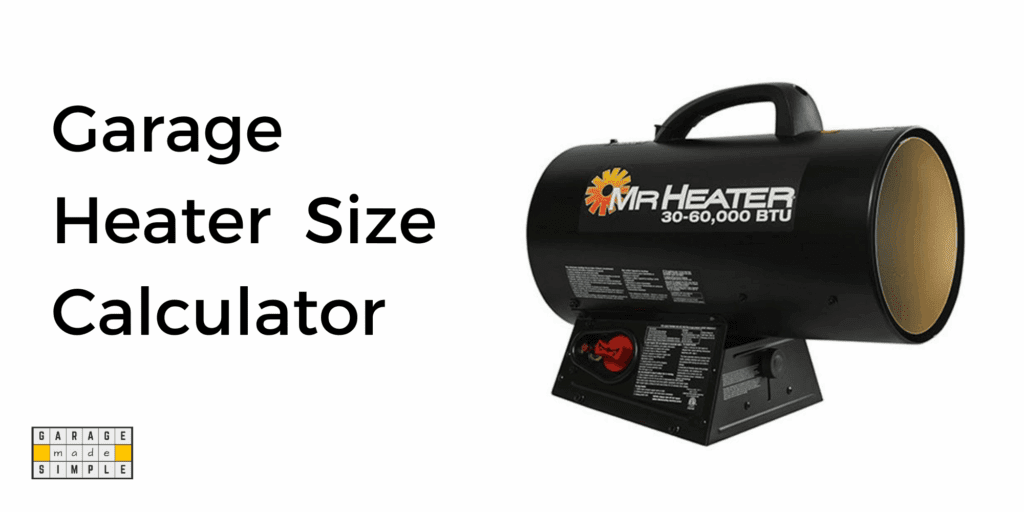
Not to worry, as this Garage Heater Size Calculator does the math for you, and even tells you the best Heater for your needs, with an Amazon Link, to boot! That’s what makes it superior to others.
Enter your garage dimensions, climate zone, insulation level, and desired indoor temperature. You’ll get the heating capacity you need plus real product recommendations—electric, propane, or natural gas.
Garage Heater Size Calculator
Calculate the ideal heater size needed to keep your residential garage warm and comfortable. Select a common garage size to quickly fill dimensions or enter them manually below.
How Many BTUs to Heat a Garage?
The size of your garage heater is measured in BTUs (British Thermal Units). BTUs are the unit of heat required each hour.
British thermal unit (Btu) is a measure of the heat content of fuels or energy sources. One Btu is the quantity of heat required to raise the temperature of one pound of liquid water by 1° Fahrenheit (F) at the temperature that water has its greatest density (approximately 39° F).
Source: https://www.eia.gov/
But garages aren’t all the same. A small, attached one-car garage in Texas doesn’t need the same heater as a three-car detached garage in Minnesota. To get it right, you need to consider:
- Garage volume (length × width × height)
- Temperature difference (indoor goal vs. average outdoor temp)
- Insulation level (none, basic, good, excellent)
- Climate zone (colder zones need more BTUs per cubic foot)
Here’s a simple example:
- 2-car garage: 20 ft × 20 ft × 8 ft = 3,200 cubic feet
- Desired indoor temp: 68°F
- Outdoor average temp (zone 5): 28°F
- ΔT = 40°F
Base formula: Volume × 0.135 BTU/hr/ft³ × ΔT × insulation multiplier
In this case, you’d need a garage heater rated at around 12,000 BTUs. That means a medium-sized electric unit or a small propane heater will do the job.
The calculator above runs this math instantly and adjusts for your exact conditions.
Choosing the Right Garage Heater
Once you know your BTU requirement, the next step is picking the right fuel source. There are three main types of garage heaters: electric, propane, and natural gas.
Here are the strengths and trade-offs of the different types of garage heaters:
Electric Garage Heaters
- Pros: Easy to install, safe, no fuel storage needed. Great for small to mid-sized garages. Can be portable or ceiling-mounted.
- Cons: Limited to about 20,000–25,000 BTUs. May struggle in very cold climates or large detached garages. Higher electricity bills in some regions.
- Best Choice For: Attached garages, smaller spaces, or hobby shops where convenience and safety matter.
- Popular Option: TEMPWARE 7500-Watt Digital Fan-Forced Ceiling Mount (17,060 BTUs).
Propane Garage Heaters
- Pros: Powerful output, portable models available, great for quick heating. No need for permanent installation. Works even if the power goes out.
- Cons: Requires propane tank refills, must be used with good ventilation, and open flame risk.
- Best Choice For: Detached garages, large spaces, or colder climates where you need serious heat fast.
- Popular Option: Mr. Heater Big Buddy Pro Series (18,000 BTUs).
Natural Gas Garage Heaters
- Pros: Strong, reliable, cost-effective for long-term use. Perfect for large garages or workshops. Permanent installation means set-and-forget.
- Cons: Needs a natural gas line and professional installation. Not portable.
- Best Choice For: Big garages, where you want a permanent, efficient heating solution.
- Popular Option: Mr. Heater 40,000 BTU Natural Gas Garage Heater.
Bottom line:
- Small attached garage → electric.
- Large detached garage → propane.
- Extra-large workshop → natural gas.
The calculator results will always recommend heaters that match your BTU needs, saving you time and guesswork.
Tips for Making Your Garage Heating More Efficient
Heating a garage isn’t just about the size of the heater. Efficiency makes a huge difference.
Upgrade Your Insulation
A well-sealed and insulated garage can cut your BTU needs by 30–50%. That means a smaller heater, lower bills, and faster warm-ups.
- Walls and Ceiling: If your garage is unfinished, add batt insulation between studs and rafters.
- Garage Door: Swap old hollow-core doors for insulated models. At a minimum, add a door insulation kit.
- Windows: Use weatherstripping or storm windows to reduce drafts.
Seal Air Leaks
Check around doors, windows, and wall penetrations (like electrical or plumbing lines). A few tubes of caulk or rolls of weatherstripping can prevent a lot of heat loss.
Use a Thermostat
A basic thermostat or smart plug helps you avoid overheating. Heat only when you need it, and keep the garage at a lower baseline temperature when it’s not in use.
Optimize Heater Placement
For ceiling-mounted units, aim them toward the center of the garage. For portable heaters, keep them clear of clutter and avoid blocking airflow. Good placement reduces cold spots and helps heat spread evenly.
Consider Zoning Your Heat
If you only use part of the garage—like a workbench area—set up a smaller localized heater. This way, you’re not paying to warm up the whole space.
Pro tip: Insulation upgrades often cost less than oversizing your heater. Fix the building envelope first, then size your heater. It’s a one-time investment that pays off every winter.
Conclusion
A properly sized garage heater isn’t just about comfort—it’s about saving energy and money.
Too small, and you’ll never get the space warm enough. Too big, and you’ll waste fuel or electricity every time you switch it on.
That’s where the Garage Heater Size Calculator comes in. Use it to get your numbers right the first time, then pick the heater recommended!
Ready to get started?
👉 Try the calculator above, explore the recommended heaters, and make your garage a place you’ll actually enjoy year-round.
Looking for more help? Check out some of my popular guides on garage insulation:
Effective Garage Insulation: An Epic Guide [2025] or How To Insulate a Detached Garage? A Step-by-Step Guide.
Pair the right heater with solid insulation, and you’ll have a warm, efficient workspace all winter long.