Best Gravel Calculator for 5 Common Home DIY Projects!
As an Amazon Associate, I earn from qualifying purchases.
A One-of-a-Kind Gravel Calculator
This simple and easy-to-use Gravel Calculator is your most accurate and DIY-friendly tool for estimating gravel needs. Unlike other online gravel calculators, this tool is designed specifically for homeowners and DIY enthusiasts.
I’ve gathered data from the most trusted industry sources to ensure reliable results. That means you can plan your gravel projects with confidence, saving time and money.
The gravel calculator guides you step-by-step through selecting your project, reviewing recommended gravel layers, entering dimensions, and choosing pricing options.
Whether you are building a driveway, landscaping a garden, or pouring a concrete slab, this tool adapts to your needs.
No jargon. No guesswork. Just clear, accurate gravel calculations based on proven standards.
Gravel Calculator for Home DIY Projects
Recommended Gravel Layers
Enter Project Dimensions
Select Pricing Mode
Enter prices per cubic yard for each gravel type
Results
Notes and Disclaimers
- Gravel densities and thicknesses vary depending on compaction and specific project conditions.
- Recommended gravel layers follow best practices sourced from leading industry experts and guides.
- Prices are estimates and can vary by supplier, location, and market changes.
- Always verify measurements and consult professionals on structural-critical projects.
- The densities used for calculations are averages referenced from industry sources listed below.
- Reference Sources for Gravel Sizes, Uses, & Densities
Bower & Branch,
Concrete Network,
HomeAdvisor,
The Spruce, and
Garage Made Simple.
Understanding Gravel Types & Sizes
Gravel comes in many sizes and types. Picking the right one for your project is crucial. It affects the structural strength, the drainage, and the aesthetics of your project.
Common gravel sizes in the U.S. are identified by numbers, like #1, #3, #4, #5, #8, #10, and Pea Gravel. The numbers correspond roughly to particle size ranges.
- #1 Gravel: large stones about 2 to 4 inches wide. It’s best for heavy drainage or erosion control.
- #3 Gravel: ranging from 1/2 to 2 inches, commonly used as a base layer under driveways or foundations.
- #4 Gravel: 3/4 to 1 1/2 inches. It’s often used for patios and drainage projects.
- #5 Gravel: measures 1/2 to 1 inch and is frequently part of concrete mixes or walkways.
- #Gravel: is smaller, about 3/8 to 1/2 inch, used in backfill, decorative landscaping, and French drains.
- #10 Gravel: is very fine, less than 3/8 inch, generally considered sand. It’s common for pathways and decorative surfaces.
- Pea Gravel: is smooth, rounded, small stones about 1/8 to 3/8 inch, great for patios and garden pathways.
Choosing the correct size ensures your gravel functions properly—whether you need drainage, stability, or a nice finish.
For example, larger gravel allows water to flow freely in drainage systems. A smaller, finer gravel gives a smooth surface for walkways.
Always refer to local supplier descriptions, but this guide helps you understand what each grade means.
Gravel Layers for Home Projects
Gravel isn’t just dumped in place. The right layering matters a great deal. Proper gravel layers ensure excellent drainage, prevent shifting, and give your project a solid, long-lasting foundation.
Layers help distribute weight evenly. This avoids sinking or erosion. Different projects need different layers, sizes, and thicknesses.
Understanding how to layer gravel correctly will save you headaches and costly repairs later.
Garden & Landscape
For landscaping and garden projects, my gravel calculator recommends layering to balance form and function.
A base layer of clean #8 gravel—typically 4 inches thick—provides the desired drainage and stability.
On top, a 2-inch layer of pea gravel is perfect for walkways, patios, and decorative areas. Pea gravel has smooth, rounded stones that feel comfortable underfoot.
Keeping layers this way keeps water flowing away from plant roots and structures, reduces weed growth, and creates attractive surfaces that stay put. This layering is widely recommended for durable and beautiful garden designs.
Base for Concrete Slabs
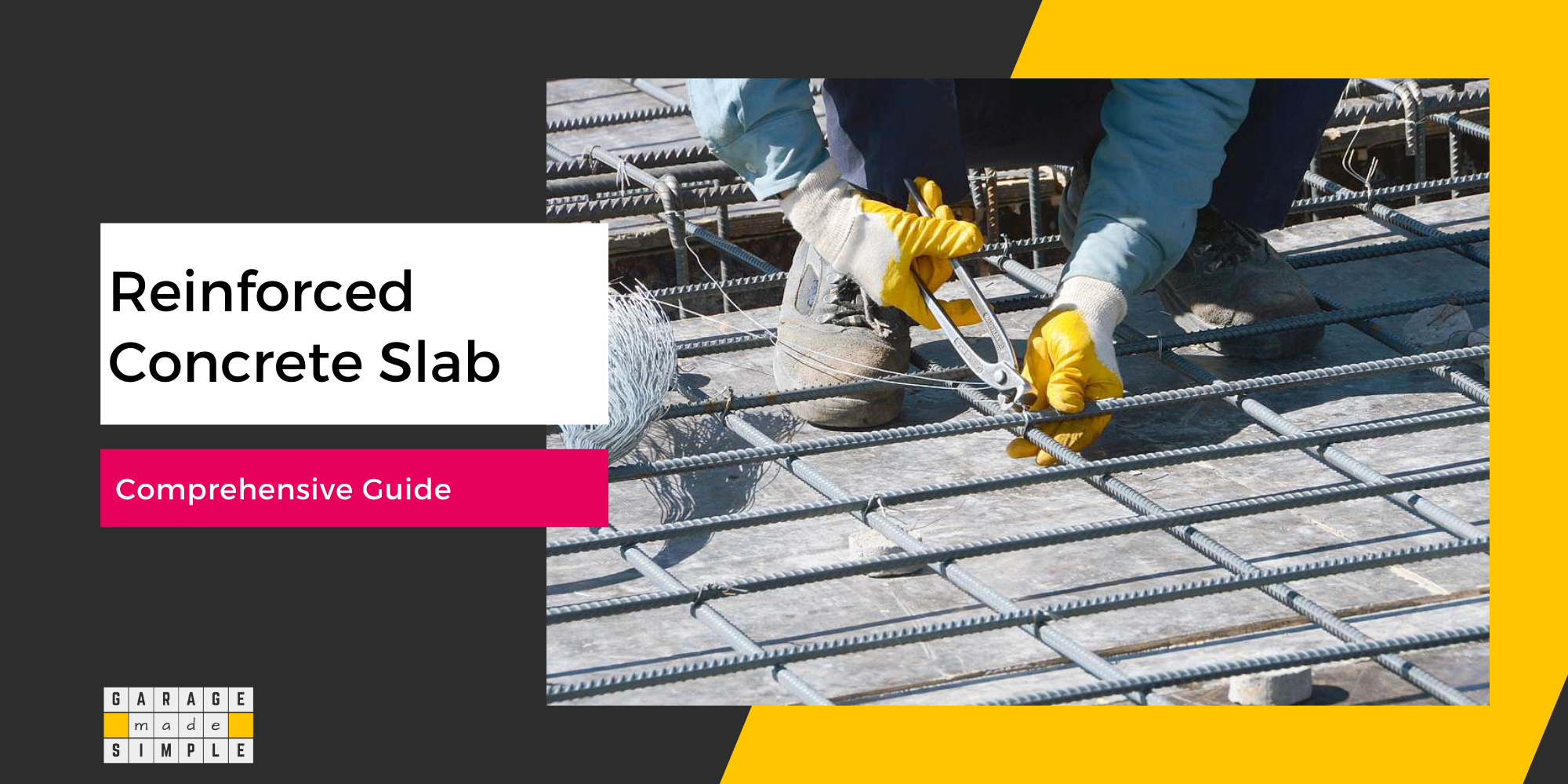
Concrete slabs require a multi-layer gravel base to support weight and prevent moisture damage. My gravel base calculator uses the recommendation from Concrete Network, a trusted source.
Start with 4 inches of #3 crushed stone as a solid foundation. Next, add 4 inches of crusher run, a mixed-sized gravel that locks together tightly. Finally, a 2-inch top layer of fine #57 gravel ensures a level surface for the concrete.
This layering system balances drainage with structural integrity, allowing concrete to cure properly and resist cracking. Proper compaction after each layer installation is critical for slab longevity.
Driveways
Gravel driveways must bear vehicle weight and stand up to traffic wear. For this reason, a heavy base layer is essential.
This driveway gravel calculator recommends six inches of coarse #3 or #4 crushed stone to provide the foundation strength. Above that, a 3-inch top layer of fine #57 gravel creates a smooth driving surface that resists displacement and erosion.
The top layer also helps keep dust down. Local building codes often specify minimum thicknesses and materials, so check before starting.
Drainage Systems
Drainage projects, such as French drains, demand gravel that maximizes water flow and reduces clogs. The standard is a 6-inch layer of large #1 or #3 gravel, which has 2 to 4-inch stone sizes.
These coarser gravel sizes create ample air space between stones, allowing water to pass through while filtering out sediments quickly.
Correct layer depth and placement near pipes ensure effective drainage away from foundations and landscape beds.
Concrete Mix
When mixing concrete for driveways or foundations, gravel acts as aggregate to give strength and volume. #5 gravel, with sizes from 1/2 to 1 inch, is ideal.
Uniform gravel size ensures better bonding with cement paste. This results in strong, durable concrete.
The volume of gravel depends on your mix ratio, so correct measurement matters. This gravel calculator factors in the fact that a 3,500psi concrete mix should have approximately 43% gravel.
Clean, well-graded gravel avoids voids and weak points in your concrete mix.
Best Practices & Tips for Gravel Projects
Measuring your project area accurately is the first step to success. Always measure length, width, and depth where gravel will be applied. Use consistent units like feet and inches.
Prepare your site well. Remove debris, flatten the surface, and consider laying a weed barrier for long-term weed control.
For structural projects, dig down to create a stable sub-base before adding gravel layers. Proper compaction at each layer is crucial to avoid uneven settling or shifting.
Choose gravel sizes based on your project type and expected use. Coarser gravel works well for drainage and bases; finer gravel provides smooth, decorative surfaces.
Don’t underestimate material needs. It’s better to order slightly more gravel than to run short mid-project.
Keep your gravel maintained over time. Regularly rake to level it and add fresh gravel as needed to replace material lost to weather or traffic.
Following these simple tips can save money, time, and future repairs, making your gravel project both durable and attractive.