French Drain Cost Calculator: Practical & Easy To Use!
As an Amazon Associate, I earn from qualifying purchases.
A Practical & Easy To Use French Drain Cost Calculator
Discover why this French Drain Cost Calculator stands out from the rest. Unlike generic tools, it comes pre-loaded with National Average costs and even incorporates regional cost multipliers.
Now you can get pretty accurate estimates based on your Region. Of course, you still have the power to enter your own material and labor costs for your specific location, and based on real-world quotes!
Four specialized project types: home perimeter drain, detached garage perimeter drain, yard drainage, and basement waterproofing, precisely match your specific needs.
This French Drain Cost Calculator adapts guidance and cost factors to these niche projects, unlike typical calculators that overlook them.
French Drain Cost Calculator
Notes & Citations
- French drain installation costs typically range from $20-$50 per linear foot for exterior drains [Modernize 2025][AMC911 2025].
- Costs can escalate 25-35% due to soil conditions, permits, and seasonal factors [Excavation Chanthier 2025].
- Proper installation is critical to avoid costly future repairs and moisture damage [Checkatrade UK 2024].
Why Does Your Property Need a French Drain?
A French drain is a simple but powerful drainage system. At its core, it’s a trench filled with gravel and a perforated pipe that redirects water away from problem areas.
When water seeps into the trench, the gravel filters it, and the pipe carries it off to a safe outlet—often a dry well, storm drain, or lower part of the yard.
French drains are commonly used around basements, yards, driveways, and detached garages or sheds. Anywhere water collects and causes trouble, a French drain installation can provide relief.
Benefits of Installing a French Drain
So, are French Drains worth it? Here are the key benefits of installing a French Drain on your property:
Protects your home foundation. Standing water around your home or garage puts pressure on walls and can lead to cracks, leaks, and costly repairs. A French drain installation relieves that pressure.
Keeps basements and garages dry. If you’ve dealt with damp walls or flooding, you know the damage it causes. French drains are one of the most effective ways to floodproof basements and garages and protect your living space.
Eliminates soggy yards. No more pools of water after heavy rain. No more mud or mosquito breeding grounds. Just a safer, healthier outdoor space.
Extends the life of your garage and driveway. Water is a silent destroyer. Redirecting runoff keeps concrete and asphalt strong for years to come.
Boosts your property value. Buyers see a French drain installation as a smart investment. It shows you’ve taken care of your property and reduced future risks.
Best of all, once installed, a French drain is low-maintenance and built to last. It’s a long-term solution that works quietly in the background, protecting your home day after day.
Key Factors That Influence French Drain Cost
Trench Depth and Length
The deeper and longer your trench, the higher the French drain installation cost. Deeper trenches require more digging, more gravel, and more pipe. They also take longer to complete, especially if heavy equipment is needed.
For most residential projects, trench depth falls between 15 and 27 inches. Basements and severe drainage issues may require 36 inches or more. Always size your trench based on soil type, slope, and how much water you need to move.
French Drain Materials Cost
Perforated pipe cost depends on the type. Corrugated pipe is cheaper and flexible but less durable. PVC pipe costs more but offers better long-term performance.
Gravel pricing is another big factor. Gravel is usually sold by the cubic yard, and the amount you need depends on trench size. Expect costs to rise with deeper or wider trenches.
Don’t forget the geotextile fabric cost. This fabric lines the trench, prevents soil from clogging the pipe, and extends the life of the system. Skipping fabric may save money up front, but it often leads to bigger problems later.
French Drain Labor Cost
Labor is often the largest part of your project. National averages give you a baseline, but prices vary widely depending on your region. That’s why this calculator includes regional labor cost multipliers.
If you’re a hands-on homeowner, you can attempt a DIY French drain. You’ll save on labor, but need the right tools, time, and confidence. Hiring a contractor costs more but ensures code compliance, safety, and speed.
Additional Features That Add to Cost
Some drains require extras. Catch basins and cleanouts make maintenance easier, but add to the budget. Adding a sump pump can dramatically improve basement drainage, but it comes with its own installation price.
In some areas, you may need to connect your French drain to a storm sewer. This can be effective, but it also requires permits and compliance with local building codes.
Want to explore another drainage solution? Learn more in my guide on residential garage floor drains.
French Drain Cost by Project Type
Basement French Drain Cost (Basement Waterproofing)
Basement drains are usually the most expensive option. They require deep trenches cut along the outside perimeter of the foundation. The work is labor-heavy and often paired with a sump pump installation to keep basements dry.
Though expensive, it’s possibly the most effective way of floodproofing basements.
Detached Garage Perimeter Drain
A detached garage perimeter drain prevents water from pooling around your garage slab. Without it, moisture can weaken the foundation and seep inside.
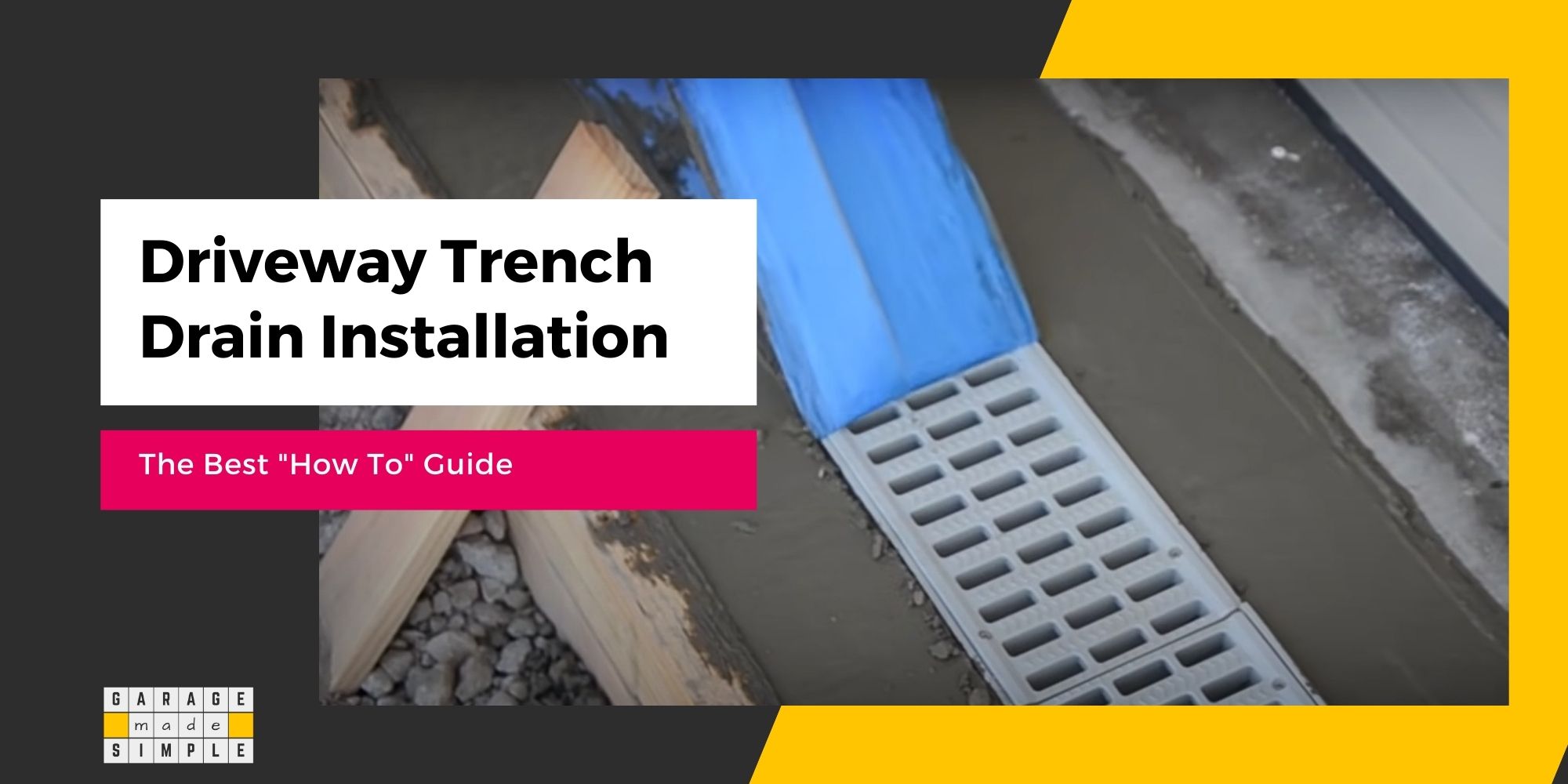
The trench usually runs along the outside walls and connects to a discharge point away from the structure. This is also referred to as Driveway Trench Drain, as it will need to go under the driveway.
Costs are typically lower than those of basement drains since the digging is simpler and no interior slab cutting is needed.
Curious why garages need this kind of protection? See my article on why you need weeping tile around the garage.
Yard Drainage (French Drains in Lawns & Gardens)
A yard French drain solves surface water problems. It redirects rainwater away from soggy lawns, gardens, or patios.
Costs depend on trench length, soil type, and landscaping needs. You’ll also need to budget for restoring sod or hardscape after the work is done.
This is the most common DIY French drain project. Homeowners with basic tools can save on labor, though renting a trencher may still be necessary.
Home Perimeter Drain (Exterior Waterproofing)
A home perimeter drain is installed outside your foundation walls. Unlike an interior basement drain, it intercepts water before it can enter the home.
Soil type plays a big role here. Clay soil needs deeper, wider trenches, while sandy soil allows easier installation. Property grading also impacts trench layout and cost.
Though less disruptive than basement work, exterior waterproofing still involves excavation and careful planning. It’s often a mid-range cost option but provides long-term protection for your home.
Thanks for using my French Drain Cost Calculator. Trust you found it practical and easy to use!